
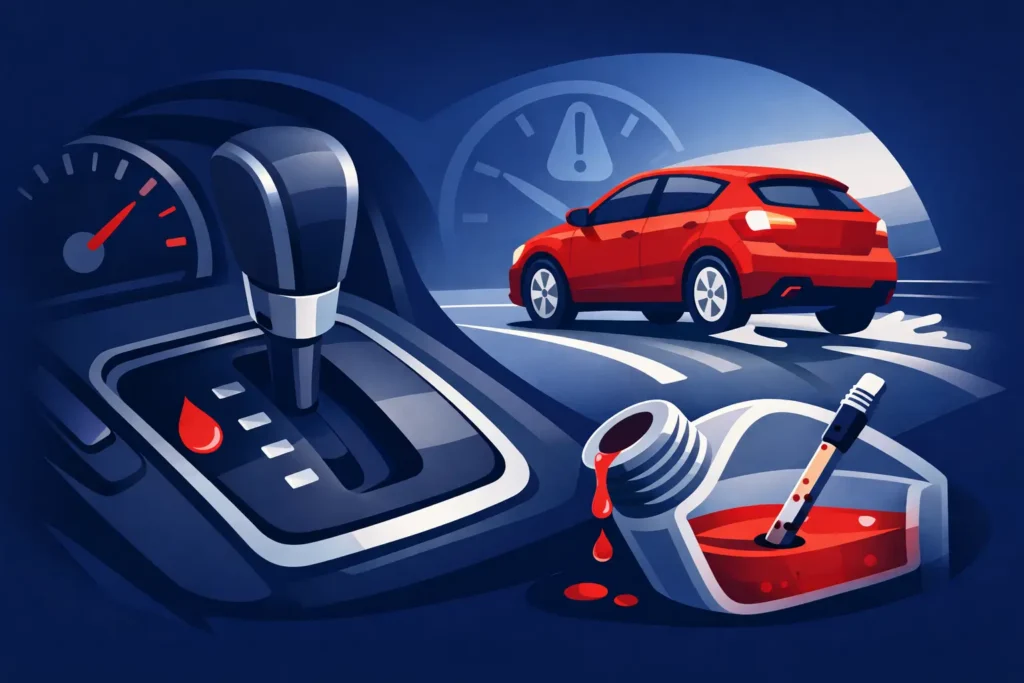
A transmission that hesitates before moving, flares between gears, or feels like it cannot hold power is not a symptom to ignore. So, can low fluid cause slipping? Yes. Low automatic transmission fluid can absolutely cause slipping, but it is not the only possible cause. The difference matters because adding fluid without finding out why it was low can turn a manageable repair into a far more expensive one.
For drivers in Central Florida, heat, stop-and-go traffic, and long commutes all place extra demands on a transmission. Whether you drive a dependable daily driver, a European luxury vehicle, an exotic, or a cherished classic, the right diagnosis protects performance and helps prevent unnecessary repairs.
How Low Transmission Fluid Causes Slipping
Automatic transmission fluid does much more than lubricate moving components. It helps control hydraulic pressure, transfers power through the torque converter, cools internal parts, and allows clutch packs to apply at the correct time. Modern transmissions are precision systems. They need the proper fluid level and the correct fluid specification to operate as designed.
When fluid is low, the transmission pump may draw in air along with fluid. That aerated fluid cannot maintain consistent hydraulic pressure. As pressure drops, internal clutches and bands may not clamp firmly enough to hold the selected gear. The engine speed rises, but the vehicle may not accelerate as expected. That is the slipping sensation many drivers describe.
Low fluid can also reduce cooling capacity. Transmission components create heat under normal operation, especially in traffic, during hard acceleration, while towing, or in Florida summer temperatures. When fluid is low or overheated, clutch material can wear faster. What begins as an occasional delayed shift may eventually become harsh shifting, a loss of drive, or internal transmission damage.
Signs Low Fluid May Be Behind the Problem
Slipping does not always feel the same from one vehicle to another. Some drivers notice a brief engine rev before the next gear engages. Others feel a pause when shifting from Park into Drive or Reverse. In some cases, the transmission may shudder, shift erratically, or seem to search for the right gear.
A low-fluid condition is more likely when these symptoms appear alongside a visible leak. Fresh transmission fluid is often red or reddish brown, although color varies by manufacturer and fluid type. You may see spots beneath the vehicle, dampness around transmission lines, or residue near the transmission pan. A burning smell can also point to fluid that has overheated.
On newer vehicles, a warning light or transmission-related fault message may appear before the problem becomes severe. That does not automatically mean the transmission needs replacement. It does mean the vehicle deserves a proper inspection rather than guesswork.
Can Low Fluid Cause Slipping in Every Transmission?
It depends on the transmission design and the underlying fault. Traditional automatics, dual-clutch transmissions, continuously variable transmissions, and automated manual systems all manage power differently. Low fluid can affect any fluid-dependent transmission, but the symptoms and repair process can vary significantly.
Some vehicles do not have a simple dipstick for checking transmission fluid. Many European and late-model vehicles require the fluid to be checked at a specific temperature, with the engine running and the vehicle level. Checking it incorrectly can produce a false reading. Overfilling can also create problems by aerating the fluid or affecting pressure control.
Manual transmissions are different. They can develop shifting concerns from low gear oil, but the classic sensation of an automatic transmission slipping under acceleration often has a different cause in a manual vehicle, such as a worn clutch. The right diagnosis begins with identifying exactly which system is in the vehicle.
Low Fluid Is Usually a Symptom, Not the Root Cause
Transmission fluid does not normally disappear. If the level is low, there is often a leak, an incorrect previous service, or a problem that has allowed fluid to escape. Common leak points include pan gaskets, seals, cooler lines, fittings, transmission cases, and electrical connector seals. On certain vehicles, fluid may also travel through wiring harnesses or leak from a failing component that needs more than a simple gasket replacement.
Topping off the fluid may temporarily improve shifting if low level is truly the cause. But that is not the same as fixing the problem. If the leak continues, the fluid level will drop again. If the transmission has already slipped repeatedly, the internal clutch material may be worn or burned, and restoring fluid alone cannot reverse that damage.
The fluid itself also matters. Using a generic fluid in a transmission designed for a specific manufacturer-approved formula can lead to shift-quality concerns and accelerated wear. This is especially relevant for European, performance, and specialty vehicles, where the fluid specification is often tightly matched to the transmission’s internal materials and calibration.
Other Problems That Can Feel Like Transmission Slipping
A reliable shop will not assume every slipping complaint comes from low fluid. Engine misfires, fuel delivery problems, turbocharger issues, worn engine mounts, and driveline faults can all create sensations that a driver may interpret as a transmission problem. A failing torque converter, worn clutch packs, valve body issues, solenoid faults, and electronic control problems can also cause genuine slipping with a normal fluid level.
Fluid condition provides useful clues. Dark, burnt-smelling fluid may indicate overheating and friction-material wear. Metallic debris can suggest internal damage. However, fluid color alone does not provide a final diagnosis. Some factory fluids are naturally darker than others, and a transmission can have clean-looking fluid while still suffering from an electronic or hydraulic fault.
This is why a scan for diagnostic trouble codes, a road test, a leak inspection, and a careful review of fluid level and condition should work together. Replacing parts based on one symptom is not honest service, and it is not good value for the customer.
What to Do If Your Transmission Is Slipping
If the transmission is slipping, avoid hard acceleration, towing, or continuing to drive it for days in hopes that the issue will disappear. Every slip creates heat. Every heat cycle can further damage internal friction materials.
If you see a large active leak, smell burning fluid, notice smoke, or lose the ability to move safely in Drive or Reverse, stop driving and arrange for the vehicle to be inspected. Continuing to operate it can turn a seal repair or fluid service into a rebuild or replacement.
For milder symptoms, schedule a professional diagnosis soon. Ask for a clear explanation of what was found, whether the fluid level is correct, where any leak is coming from, and what repair is recommended before authorizing work. A good technician should be able to separate maintenance needs from repair needs and explain the trade-offs plainly.
At MotorSport Prime, transmission concerns are approached with the same care given to the vehicle itself. The goal is not to sell a transmission before it is needed. It is to identify the actual cause, use the correct service procedures and fluids, and provide a repair that supports dependable long-term driving.
Preventing Fluid-Related Transmission Damage
The best prevention is following the maintenance schedule appropriate for your vehicle and driving conditions. “Lifetime fluid” does not always mean fluid lasts forever under real-world heat, traffic, and mileage. It may mean the manufacturer has a particular service interval, inspection procedure, or definition of normal operating life. Owners of performance, luxury, and older vehicles should be especially careful not to rely on broad one-size-fits-all advice.
A proper transmission service is more than draining and refilling fluid. Depending on the vehicle, it may include replacing a filter, pan gasket, sealing components, or serviceable hardware, then setting the fluid level at the required temperature. The work should be tailored to the transmission, its condition, and the manufacturer’s specifications.
If your vehicle has begun to flare, hesitate, or slip, treat that change as useful information. Getting it checked while the problem is still intermittent gives you the best chance of protecting the transmission and returning to confident, reliable driving.