
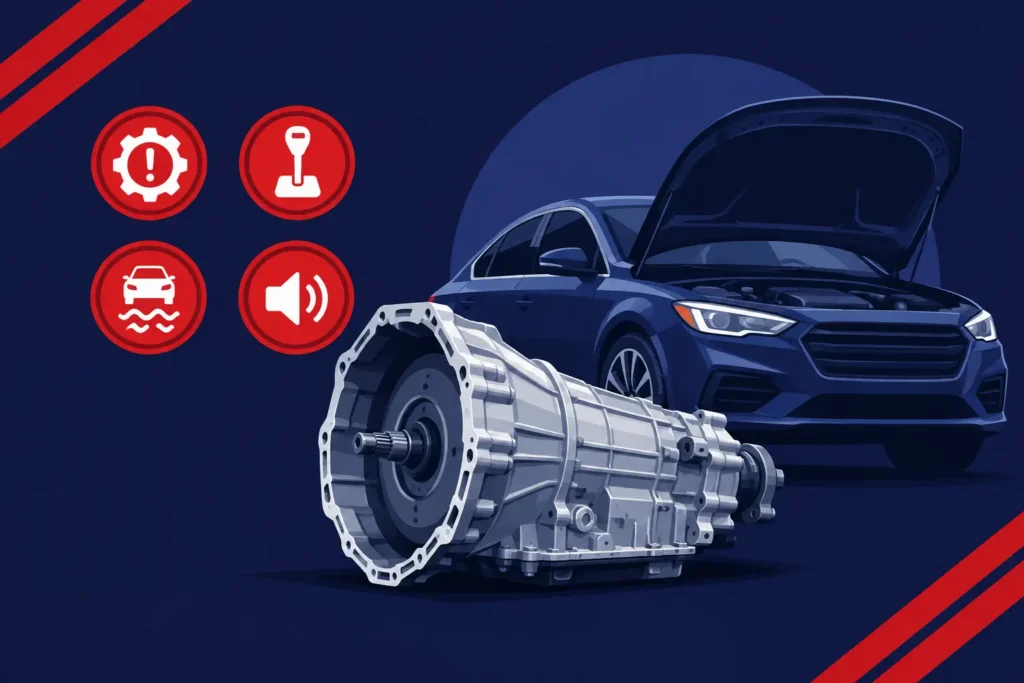
A transmission rarely fails without giving the driver a few warnings first. A delayed shift leaving a Saint Cloud intersection, a shudder at highway speed, or a red fluid spot beneath the vehicle can all point to a problem that deserves attention. Prompt transmission repair is not about reacting to every small change with panic. It is about finding the real cause before a manageable service turns into major internal damage.
For owners of European, exotic, classic, and performance-oriented vehicles, that distinction matters even more. These vehicles often use complex transmissions with specific fluid requirements, electronic controls, and calibration needs. Guesswork, generic fluids, or an unnecessary repair can be just as costly as ignoring a real problem.
What Your Transmission Is Telling You
An automatic transmission manages a demanding job: it transfers engine power to the wheels while selecting the right gear for speed, load, and driving conditions. It depends on clean fluid, correct hydraulic pressure, healthy internal components, and accurate communication between mechanical and electronic systems. When one part of that system is out of order, the vehicle usually gives clues.
A slipping transmission is one of the most noticeable signs. The engine may rev higher than expected before the vehicle accelerates, or the vehicle may feel as though it briefly drops out of gear. Harsh shifts are another concern. A firm shift can be normal in some performance vehicles, particularly when driven aggressively, but a sudden bang, repeated hesitation, or jolt that was not there before should be inspected.
Other concerns can be less dramatic. You may notice a delay when shifting from Park into Drive or Reverse, a vibration during acceleration, a whining noise that changes with vehicle speed, or a burning odor after driving. A check engine light or transmission warning message also deserves professional diagnostics, even if the vehicle still seems to drive normally.
Fluid leaks should never be dismissed. Transmission fluid provides lubrication, cooling, and hydraulic pressure. Low fluid can cause poor shifting and accelerate wear. Not every leak means the transmission must be removed or rebuilt. A pan gasket, seal, cooler line, or connector can sometimes be the source. The right repair begins with locating the leak rather than assuming the worst.
Why Accurate Transmission Repair Diagnosis Matters
Transmission symptoms can overlap with other vehicle problems. An engine misfire, worn engine mount, failing axle, driveline issue, software fault, or even an electrical charging problem may feel like a transmission concern from the driver’s seat. That is why a proper diagnosis is the most valuable first step.
A qualified technician should start by listening to what the vehicle is doing and when it happens. Does the issue occur only when cold? Under hard acceleration? At a specific speed? After the vehicle has been driven for an hour? Details like these help separate a hydraulic problem from an electronic one or a normal characteristic from a developing failure.
The inspection should also include a scan for fault codes and live data, a road test when appropriate, a check of fluid condition and level, and a visual inspection for leaks or damaged wiring. On many modern European vehicles, diagnostic equipment can reveal commanded gear changes, clutch adaptation values, temperature readings, pressure concerns, and communication faults that are not visible during a basic inspection.
This process protects the customer. Recommending a rebuild before understanding the condition of the system is not good craftsmanship. On the other hand, clearing a warning light or changing fluid without addressing an internal or electronic problem does not deliver lasting results. Honest diagnosis means explaining what was found, what it means for the vehicle, and which repair path makes sense.
Fluid Service Is Maintenance, Not a Cure-All
Transmission fluid service is one of the best ways to support transmission life, but it has to be approached correctly. Fluid breaks down over time from heat, friction, and normal use. In Florida, high temperatures, stop-and-go traffic, towing, and extended idling can place additional stress on the system.
A properly performed service may include draining old fluid, replacing the filter or pan assembly when applicable, installing the manufacturer-specified fluid, and setting the level at the correct temperature. Some transmissions require specific service procedures and scan-tool monitoring. A universal approach is not appropriate for every vehicle.
It is also fair to be realistic about what a fluid service can do. Fresh fluid may improve shift quality when the issue is related to degraded fluid or a restricted filter. It cannot repair worn clutch packs, damaged gears, a failed valve body, or an electrical fault. If the transmission is already slipping badly or producing significant metal debris, service alone may not be the answer. A technician should explain that trade-off clearly before work begins.
Repair, Rebuild, or Replacement: Choosing the Right Path
There is no single answer for every transmission issue. The right solution depends on the vehicle, the diagnosis, the condition of the transmission, parts availability, and the owner’s long-term plans.
A targeted repair can be the best value when the problem is limited to an external leak, sensor, solenoid, wiring issue, valve body concern, or related component. This approach addresses the failure without replacing parts that are still in good condition.
A rebuild may be appropriate when the transmission has substantial internal wear but the housing and major hard parts are serviceable. Rebuilding involves disassembly, inspection, cleaning, and replacement of worn components such as clutches, seals, steels, and other parts required to restore proper operation. For a classic or specialty vehicle, rebuilding the original transmission may preserve the vehicle’s fit, function, and character.
Replacement can make more sense when there is severe internal damage, a remanufactured unit is available, or the owner needs a practical route back to reliable transportation. The best option is not always the cheapest estimate at the beginning. It is the one that addresses the actual failure and supports dependable use after the repair.
For high-value European and exotic vehicles, the details matter. Correct coding, adaptation procedures, fluid specifications, torque settings, and supporting inspections are part of doing the job right. A transmission installation that skips these steps can create new drivability issues or shorten the life of the replacement unit.
How to Protect Your Transmission Between Visits
Good driving habits and routine inspection can help, although they cannot prevent every failure. Follow the vehicle manufacturer’s maintenance schedule, especially when the vehicle sees heavy traffic, towing, spirited driving, or Florida heat. If the transmission has a service interval, treat it as preventive maintenance rather than an optional expense.
Pay attention to changes in behavior. A problem that happens once may not be urgent, but a recurring delay, flare, vibration, warning message, or leak is worth documenting. Make a note of the conditions when it occurs. That information can save diagnostic time and help the technician reproduce the concern.
Avoid continuing to drive a vehicle that is slipping severely, overheating, or refusing to engage a gear. Every mile driven with low fluid or inadequate hydraulic pressure can increase internal damage. Arranging an inspection or tow at that point can protect both the vehicle and your repair budget.
Experience Makes the Difference
Transmission work demands more than parts replacement. It requires a technician who understands how mechanical wear, fluid pressure, software controls, and vehicle-specific service procedures work together. That knowledge is especially valuable when the vehicle is a European luxury car, an exotic model, or a well-kept classic with a transmission that deserves careful handling.
At MotorSport Prime, transmission service is approached with the same respect given to the rest of the vehicle: inspect carefully, diagnose honestly, explain the options, and perform the repair to a high standard. With 38 years of experience, the goal is not to sell work a vehicle does not need. It is to provide clear answers and reliable results that let you drive with confidence.
If your vehicle is shifting differently than it used to, do not wait for a small warning to become a major interruption. A thoughtful inspection now can provide clarity, protect performance, and give you a practical path forward.