
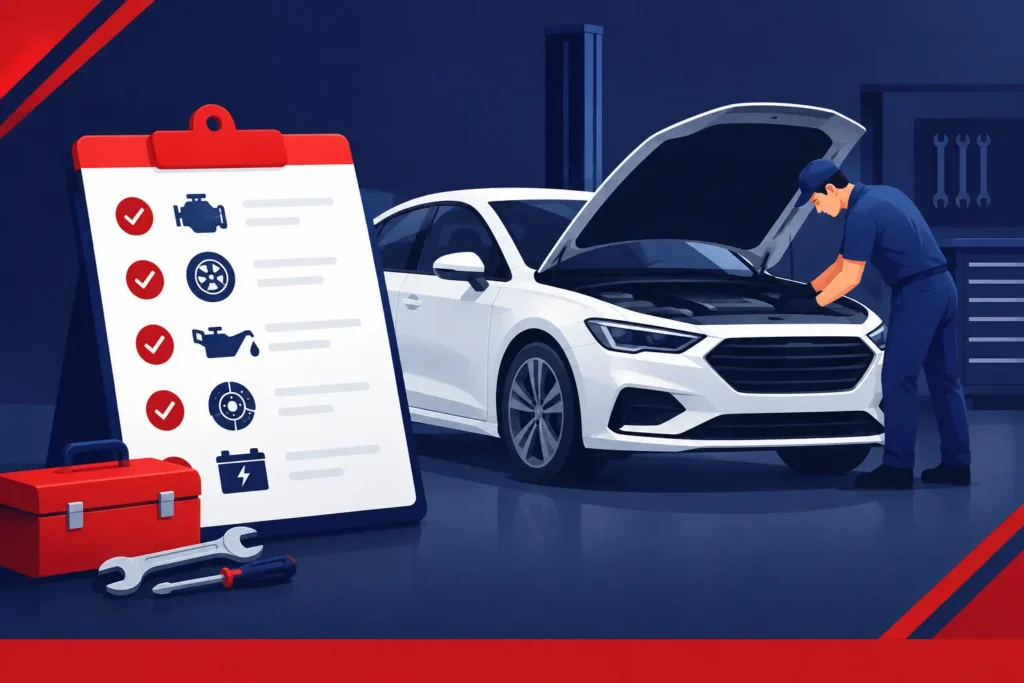
A good vehicle maintenance schedule guide is not about bringing your car in for service just because a calendar says so. It is about knowing what your vehicle needs, when it needs it, and why waiting can turn a routine service into an expensive repair. For Central Florida drivers, heat, humidity, stop-and-go traffic, and sudden heavy rain all place real demands on engines, cooling systems, brakes, air conditioning, and transmissions.
Whether you drive a European luxury vehicle, a classic, an exotic, or a dependable daily driver, the right schedule protects performance and gives you more confidence behind the wheel. The exact intervals will vary by make, model, mileage, age, driving habits, and manufacturer recommendations. Still, there are clear service milestones every owner should understand.
Vehicle Maintenance Schedule Guide by Time and Mileage
Your owner’s manual is the starting point. It contains the factory intervals for your specific engine, transmission, fluids, filters, and inspection items. A skilled technician should then help you adjust that plan for how and where you actually drive.
A vehicle that sees mostly highway miles may have different needs than one that makes short trips in Saint Cloud traffic, sits for long periods, tows a trailer, or is driven aggressively. Specialty vehicles also deserve a more thoughtful approach. A neglected fluid service on a performance European car can create problems that a generic checklist may overlook.
Every Month or Before a Long Trip
Take a few minutes to look over the basics. Check tire pressure when tires are cold, including the spare if your vehicle has one. Look for visible tire damage, uneven tread wear, fluid spots under the vehicle, weak exterior lights, and worn windshield wipers.
Pay attention to changes, too. A new vibration, delayed start, warning light, unusual smell, or change in shifting behavior is worth addressing early. Modern vehicles are good at reporting faults, but they cannot tell you whether a small issue is becoming a larger one without proper inspection and diagnostics.
Every 5,000 to 7,500 Miles
For many vehicles, this is a practical interval for an oil and filter change, tire rotation, and a general inspection. Some manufacturers specify longer oil-change intervals, especially with synthetic oil. That can be appropriate when the vehicle is driven under ideal conditions and the correct oil is used.
However, short trips, high heat, heavy traffic, spirited driving, and older engines can justify more frequent service. Oil is inexpensive compared with internal engine repairs. Using the proper viscosity and manufacturer-approved specification matters just as much as changing it on time, particularly on European and high-performance vehicles.
During this visit, ask for a quick check of brake condition, fluid levels, belts, hoses, battery health, tire wear, and any stored diagnostic trouble codes. A thorough inspection is not an upsell when it is tied to clear findings and explained in plain language.
Every 15,000 to 30,000 Miles
At this stage, filters and wear items deserve closer attention. Engine air filters, cabin air filters, wiper blades, and brake inspections are common needs. Depending on the vehicle, this may also be the right time to inspect suspension components, alignment, spark plugs, and drivetrain mounts.
Tire wear tells an important story. Tires worn heavily on one edge may point to an alignment issue, weak suspension parts, improper pressure, or a driving-condition concern. Replacing tires without finding the cause can mean paying for another set sooner than you should.
Brake service should be based on measured pad thickness, rotor condition, noise, pedal feel, and how the vehicle performs during braking. There is no honest one-size-fits-all brake interval. Some drivers need pads much sooner than others, while rotors may be reusable or may require replacement depending on their condition and manufacturer specifications.
Every 30,000 to 60,000 Miles
This is often where preventive maintenance has the greatest long-term value. Brake fluid, coolant, transmission fluid, differential fluid, transfer case fluid, and power steering fluid may have scheduled service intervals, although the exact requirements vary widely.
Fluid condition matters, but appearance alone does not always tell the full story. The right service uses the correct fluid type, the proper procedure, and an understanding of the system being serviced. This is especially true for automatic transmissions. Many modern transmissions use highly specific fluids and fill procedures that require the vehicle to be at a precise temperature.
A transmission fluid service is not the same as a quick universal flush. On a properly maintained vehicle, scheduled fluid service can help support smooth shifting and component life. On a high-mileage vehicle with unknown history or existing shift concerns, the best approach depends on diagnosis. A trustworthy shop will explain the condition of the transmission and recommend the service or repair that fits the situation instead of selling a one-size-fits-all package.
At 60,000 Miles and Beyond
As mileage builds, ignition components, cooling-system parts, drive belts, suspension bushings, wheel bearings, and engine mounts may become more likely service items. Timing belts deserve special attention. If your engine uses one, replace it at the manufacturer interval, not after it fails. A broken timing belt on an interference engine can cause severe internal damage.
Timing chains often last longer, but they are not maintenance-free. Rattling at startup, fault codes, poor performance, or unusual engine noise should be diagnosed rather than ignored. Cooling systems also deserve careful inspection in Florida. A small leak, weak water pump, aging hose, or failing thermostat can quickly become an overheating event when temperatures are high.
Services That Need More Than a Mileage Reminder
Mileage is useful, but age and symptoms matter just as much. Brake fluid absorbs moisture over time even when a car is not driven often. Tires can age and harden before the tread is worn out. Batteries can fail from heat and corrosion. Rubber seals, hoses, and belts deteriorate while a classic or weekend car sits in the garage.
Air conditioning is another example. If your A/C is less cold than it used to be, cycles constantly, produces an odor, or blows weakly, do not simply add refrigerant. Refrigerant does not normally get used up. Low charge often means there is a leak, and the system should be inspected and repaired correctly.
For classic and exotic vehicles, an annual inspection is often more valuable than waiting for a mileage milestone. These cars may travel fewer miles but need careful attention to fuel systems, cooling components, tires, seals, electrical connections, and fluids. Preserving the vehicle’s reliability and originality calls for technicians who understand how these systems age.
Warning Signs That Should Move Service Up the Schedule
A maintenance plan should always make room for the unexpected. Schedule an inspection promptly if you notice any of the following:
- Check engine, transmission, oil-pressure, temperature, brake, or battery warning lights
- Hard shifts, slipping, shuddering, delayed engagement, or transmission fluid leaks
- Overheating, coolant loss, steam, or a sweet smell from the engine compartment
- Squealing, grinding, pulling, vibration, or a soft brake pedal
- A burning smell, fuel smell, repeated battery failure, or new fluid leaks
Waiting for the next scheduled visit can be costly when these symptoms appear. Early diagnosis can be the difference between a minor repair and major component damage.
Building a Schedule You Can Trust
Keep a simple record of oil changes, fluid services, repairs, tire replacements, and inspections. It helps you plan ahead, supports resale value, and gives your technician a clearer picture of the vehicle’s history. If you purchased a used vehicle with limited records, start with a comprehensive inspection and establish a baseline rather than guessing what has been done.
At MotorSport Prime, our team brings 38 years of hands-on experience to maintenance, diagnostics, and specialized transmission work. We believe owners deserve straight answers about what needs attention now, what can be monitored, and what can wait. That is how maintenance becomes a practical investment instead of a list of unnecessary services.
Your vehicle does not need a generic plan. It needs consistent care that matches its engineering, mileage, condition, and the way you drive it. Start with the manufacturer’s schedule, stay alert to changes, and work with a shop that treats every recommendation with the same respect it would want for its own vehicle.