
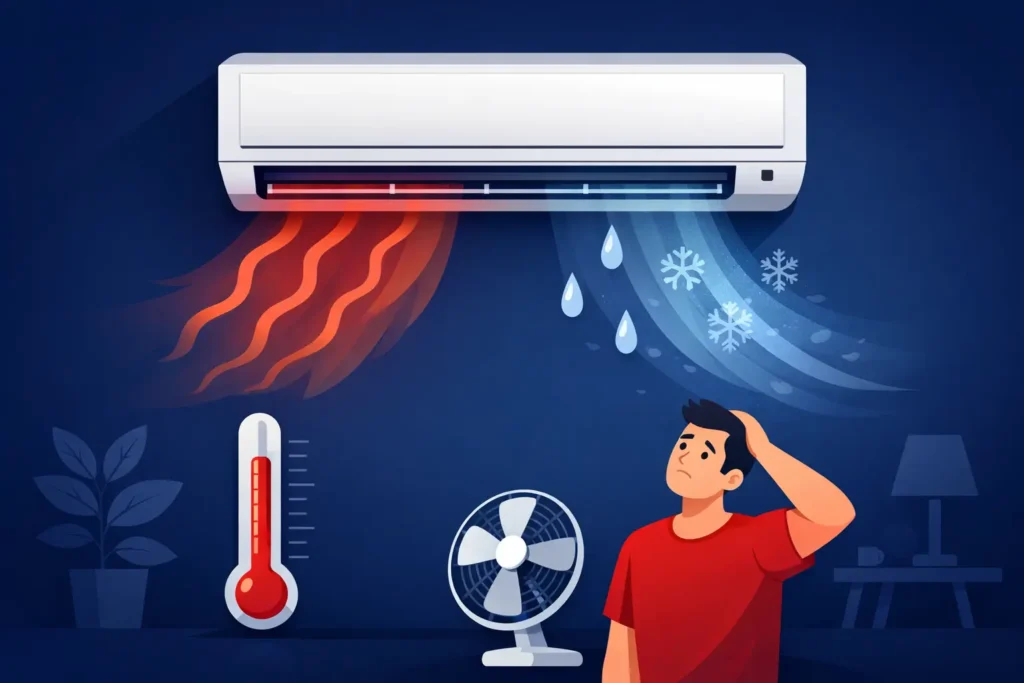
You turn the A/C on in a Florida parking lot, set it to max cold, and within a minute you know something is off. If your air conditioning is not blowing cold, the problem may be simple, or it may be the first sign of a system issue that gets more expensive the longer it is ignored.
Automotive A/C systems are sealed, pressurized, and more sensitive than many drivers realize. On modern vehicles, especially European and luxury models, cooling performance depends on electrical controls, pressure sensors, airflow management, refrigerant charge, and the health of several mechanical parts working together. When one piece falls out of spec, cold air can disappear quickly.
What causes air conditioning not blowing cold?
The most common reason is low refrigerant, but that is not the only reason and not always the real root of the problem. Refrigerant does not simply get “used up” like fuel. If the level is low, there is usually a leak somewhere in the system. That leak may be small enough to go unnoticed for months, or large enough that cooling drops off almost overnight.
Another common cause is a weak or failing compressor. The compressor is what circulates refrigerant through the system, and if it cannot build proper pressure, the air from the vents may feel cool at best instead of truly cold. Some compressors fail mechanically. Others have clutch, control valve, or electrical issues that cause intermittent performance.
Poor airflow can also make drivers think the A/C system has failed when the issue is actually inside the cabin. A clogged cabin air filter, a weak blower motor, or a faulty blend door can keep cold air from moving where it should. In that case, the system may be producing cooling, but you are not getting the full benefit inside the vehicle.
Then there are condenser problems. The condenser sits at the front of the vehicle and releases heat from the refrigerant. If it is blocked by debris, damaged, or not getting enough airflow because of a cooling fan problem, vent temperatures can rise fast, especially at idle. That is a common pattern in Florida traffic – colder while driving, warmer at stoplights.
Electrical faults round out the list. Pressure switches, temperature sensors, control modules, relays, and fuses all play a role. On newer vehicles, one bad signal can keep the A/C from operating properly even when the core components are still in good shape.
Signs the problem is more than low refrigerant
If the air starts cold and then turns warm, the issue may involve compressor operation, pressure imbalance, or icing in the system. If the cooling is weak only when the car is sitting still, fan or condenser airflow problems move higher on the list. If you hear clicking, squealing, or rattling when the A/C is switched on, compressor or pulley trouble should be considered right away.
A musty smell from the vents points in a different direction. That can suggest moisture buildup, mold in the evaporator area, or a cabin filter that has gone too long without replacement. It affects comfort, but it can also point to airflow restrictions that reduce cooling performance.
If your check engine light or another warning light is on at the same time, it is worth taking seriously. On many modern vehicles, climate control and engine management systems overlap more than owners expect. A cooling fan issue, for example, can affect both engine temperature and A/C performance.
What you can check before bringing the car in
There are a few basic things you can look at without guessing or risking damage. First, make sure the climate settings are correct. It sounds obvious, but dual-zone systems, auto settings, and mode selections can create confusion, especially if a blend door is not responding as it should.
Next, check airflow from the vents. If it is weak on every setting, the cabin air filter may be restricted or the blower motor may not be operating properly. If airflow is strong but the temperature is warm, the problem is more likely in the refrigerant or compressor side of the system.
You can also pay attention to when the problem happens. Is the A/C warmer at idle than on the highway? Does it get worse during the hottest part of the day? Does it cycle between cold and warm? Those details matter because they help narrow the diagnosis instead of jumping straight to parts replacement.
Take a quick look at the front of the condenser area if it is visible through the grille. Leaves, dirt, and road debris can reduce airflow. Also listen for the radiator or condenser fans when the A/C is on. If the fans are not coming on when they should, cooling performance will suffer.
What you should not do is rely on a generic refill can and hope for the best. Overcharging the system, adding the wrong product, or masking a leak with a temporary fix often creates a bigger repair later. On specialty vehicles and European platforms, that shortcut can get expensive fast.
Why proper diagnosis matters
A vehicle with air conditioning not blowing cold does not need guesses. It needs testing. A professional A/C diagnosis checks system pressures, vent temperatures, compressor operation, leak points, fan function, electrical commands, and refrigerant performance under real operating conditions.
That matters because several problems can produce the same symptom. Warm air from the vents might be caused by low refrigerant, a bad expansion valve, a stuck blend door, a faulty pressure sensor, or a compressor that is failing only under load. Replacing parts based on assumption wastes time and money.
This is especially true on European, exotic, and late-model vehicles. Many use more complex climate control strategies, variable displacement compressors, and model-specific service procedures. A shop that understands those systems can usually find the real issue faster and repair it correctly the first time.
Common A/C repairs and what they mean
If a leak is found, the repair may be as simple as replacing an O-ring or service valve, or as involved as replacing a condenser, hose, evaporator, or compressor seal. It depends on where the leak is and whether contamination has entered the system.
If the compressor has failed internally, the repair is bigger than swapping one part. Metal debris can travel through the system, which means the receiver-drier or accumulator, expansion device, and other components may also need attention. In that case, cutting corners usually leads to repeat failure.
If the issue is electrical, the repair could involve a pressure sensor, fan control module, relay, fuse, wiring repair, or climate control actuator. These repairs are often less invasive than major refrigerant system work, but they still require careful testing to avoid replacing good parts.
Sometimes the solution is routine maintenance. A clogged cabin air filter, dirty condenser fins, or low system performance from an early-stage leak can often be corrected before it turns into a larger repair bill. Catching the issue early is where owners usually save the most money.
When to stop driving and schedule service
If the A/C is simply blowing warm but the vehicle drives normally, you may not have an emergency, but you should not wait long. A small refrigerant leak can become a larger one, and a compressor that is struggling can eventually fail completely.
If you notice burning smells, unusual noises when the A/C engages, engine overheating, or cooling fans that are not working, schedule service as soon as possible. At that point, the problem may involve more than cabin comfort.
For drivers in Central Florida, there is also the practical side of it. Heat and humidity do not give you much margin. What starts as weak cooling in the morning can become an uncomfortable and distracting drive by afternoon.
Choosing the right shop for A/C repair
Not every repair shop approaches A/C issues with the same level of care. The right shop should explain what it found, why the problem happened, and what is actually needed to fix it. Honest diagnosis matters more than a quick recharge and a vague promise.
If you drive a European car, exotic vehicle, classic, or a daily driver you plan to keep for the long haul, experience matters too. A/C systems are tied closely to engine cooling, electrical systems, and overall vehicle health. That is why many owners prefer a shop with real diagnostic depth rather than a one-size-fits-all approach. At MotorSport Prime, that means treating the problem with the same craftsmanship and respect we bring to every major system on the vehicle.
Cold air should not be a luxury in Florida. If your A/C has changed, even slightly, getting it checked early is one of the smartest ways to protect comfort, prevent bigger repairs, and keep your car performing the way it should.