
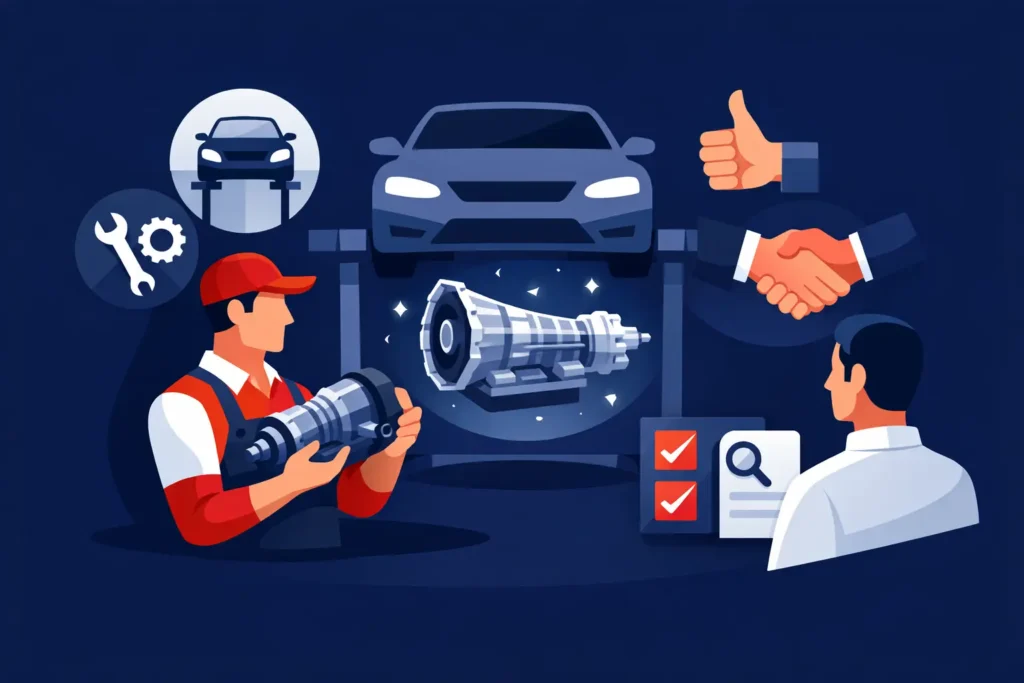
A transmission concern rarely arrives at a convenient time. Maybe your vehicle hesitates when pulling away from a stop, shifts hard after warming up, slips on the highway, or shows a warning light with no obvious change in how it drives. Knowing how to choose a transmission specialist before agreeing to a major repair can protect your vehicle, your budget, and your confidence behind the wheel.
Transmission work is not the place to settle for a quick guess or the lowest estimate. Modern automatic transmissions are complex hydraulic, mechanical, and electronic systems. European luxury vehicles, exotics, and classics can bring their own parts, calibration, and service requirements. The right shop starts with facts, explains the options clearly, and treats your car with the same respect they would expect for their own.
Look for Real Transmission Experience
A capable general repair shop can handle many maintenance needs, but a transmission problem calls for deeper, hands-on experience. Ask how often the shop performs transmission diagnostics, fluid services, internal repairs, rebuilds, and replacements. A technician who works with transmissions regularly is more likely to recognize the difference between an internal failure, a control issue, a worn mount, a driveline problem, or an engine condition that only feels like a transmission issue.
Experience also matters because transmission symptoms can overlap. A delayed engagement may point to low or degraded fluid, internal pressure loss, a valve body issue, or an electronic control concern. Replacing a major component before identifying the real cause can create an expensive repair without solving the problem.
Years in the field are valuable, but ask practical questions as well. Does the shop repair transmissions in-house when appropriate? Can it handle complete replacements or rebuilds? Does it have technicians trained to diagnose electronic transmission controls? Clear, confident answers are a good sign. Vague promises that every problem will be solved with a flush or a full replacement are not.
How to Choose a Transmission Specialist for Your Vehicle
The best specialist for a domestic daily driver is not always the best fit for a European performance car, an exotic model, or a classic vehicle. Your vehicle’s make, age, transmission design, and use all affect what proper service looks like.
Ask whether the shop has experience with your specific type of vehicle. A specialist familiar with European vehicles understands that service procedures may require manufacturer-specific fluid, exact fill temperatures, diagnostic scan tools, and adaptation or relearn procedures. On a classic, the priority may be sourcing correct components while preserving the character and value of the vehicle. On a high-performance vehicle, the shop should appreciate that shifting behavior, cooling, and fluid condition can be tied directly to reliability.
This does not mean a shop must work on your exact year and model every day. It does mean it should be honest about its experience, research the proper procedure when needed, and have access to the equipment and parts information required to do the job correctly. A trustworthy specialist will never pretend that all transmissions are the same.
Pay Attention to the Diagnostic Process
The diagnostic process tells you more about a shop than an advertisement ever will. Before recommending a repair, a qualified transmission specialist should gather a detailed history of the symptom. When does it occur? Is it worse cold or hot? Does it happen under acceleration, during a specific shift, while towing, or only after a long drive? Those details help narrow the cause.
From there, diagnosis may include a road test, computer scan, visual inspection, fluid-level check, fluid-condition assessment, electrical testing, and pressure testing where appropriate. The exact process depends on the vehicle and complaint. Not every problem needs every test, but the shop should be able to explain why it recommends each step.
Be cautious if someone offers a major repair price without inspecting the vehicle or pulling diagnostic information. An estimate based only on “it feels like the transmission” is not a diagnosis. Likewise, a warning code does not automatically mean a transmission must be rebuilt. Codes are clues. They need to be interpreted alongside test results and the vehicle’s actual behavior.
Expect Clear Recommendations and Fair Pricing
Transmission repairs can range from a fluid service or electrical repair to a valve body replacement, internal repair, rebuild, or complete replacement. The right option depends on the diagnosis, the condition of the vehicle, your driving plans, and your budget. An honest shop should explain the trade-offs rather than push a single solution.
For example, servicing old fluid can be beneficial when it is recommended for the vehicle and the transmission is otherwise operating properly. But a fluid service cannot repair worn clutches, damaged hard parts, or a failed internal seal. A replacement unit may make more sense than a rebuild in some cases, while a rebuild can be the better choice when quality control, vehicle value, or parts availability call for a more tailored repair.
Ask for a written estimate that separates diagnosis, parts, labor, fluids, and any additional work that may be required. You should understand what is confirmed, what is suspected, and what could change after disassembly. No reputable shop can promise an exact internal repair total before opening every transmission, but it can communicate honestly about the likely range and get your approval before moving forward.
Financing availability can also be useful when an unexpected repair cannot wait. It should give you options, not pressure you into work you do not understand.
Ask About Parts, Procedures, and Warranty Support
Quality transmission work depends on more than the repair itself. It also depends on correct fluid, reliable parts, careful assembly, proper programming, and verification after the repair. Ask what type of parts the shop uses and whether it follows the manufacturer procedure for your vehicle. For specialty vehicles, this conversation is especially worthwhile.
You should also ask how the repair is tested. A proper final check may include confirming fluid level at the correct temperature, clearing and rechecking fault codes, performing required relearn procedures, and road-testing the vehicle. These details are not glamorous, but they often separate a repair that simply gets the car moving from one designed to deliver lasting results.
Warranty terms should be clear and written down. Read what is covered, for how long, and whether the coverage applies to parts, labor, or both. A warranty is valuable, but it should not be the only reason you choose a shop. Strong diagnostics, quality workmanship, and straightforward communication matter just as much.
Notice How the Shop Treats You
Trust is built in the small moments. Does the service advisor listen without interrupting? Do they explain technical findings in plain language? Are they willing to show you worn parts, scan results, or fluid condition when possible? Do they call before performing additional work?
You do not need to become a transmission expert to make a good decision. You should, however, feel comfortable asking questions and expect respectful answers. A shop that relies on fear, refuses to explain its recommendation, or dismisses your concerns is not earning your business.
Local reputation can help, particularly when it reflects long-term customers and repeat service rather than a few generic comments. Look for patterns in what people say: accurate diagnosis, honest recommendations, fair pricing, careful work, and communication throughout the repair. Those are the qualities that matter when your vehicle needs more than routine maintenance.
At MotorSport Prime, 38 years of hands-on experience informs every transmission service, diagnostic decision, repair, rebuild, and replacement. That experience is especially meaningful for Central Florida owners who want knowledgeable care for European, exotic, classic, and everyday vehicles without the impersonal approach of a chain shop.
Do Not Wait for a Small Symptom to Become a Major Repair
Some transmission concerns require immediate attention, especially a burning smell, severe slipping, grinding, loss of drive, leaking fluid, or a flashing warning light. Continuing to drive can turn a repairable issue into extensive internal damage. If the vehicle is unsafe to operate or will not engage properly, arrange transportation rather than forcing it home.
Other symptoms may be less urgent, but they still deserve a professional inspection. A brief hesitation, a new vibration during shifts, or occasional harsh engagement may be the earliest sign of a problem. Early diagnosis gives you more choices and can prevent unnecessary damage.
Choose a specialist who earns your trust through careful testing, honest answers, and craftsmanship that respects the vehicle you depend on. The right conversation before the repair begins can make all the difference after the road opens up again.