
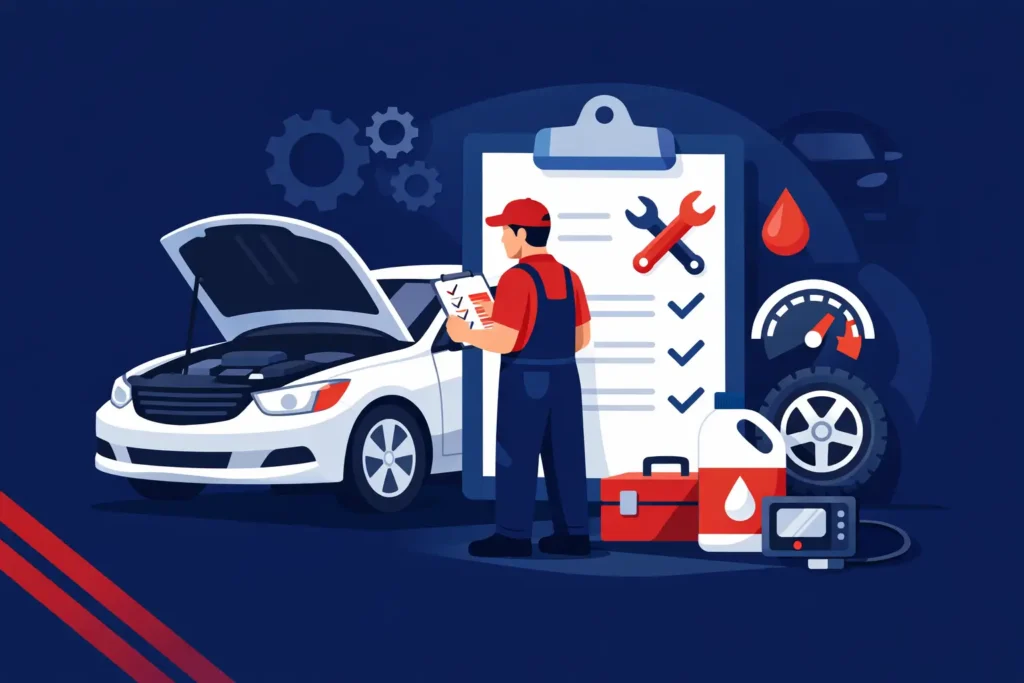
A car rarely gives you just one warning before a major repair. More often, it starts with small changes – a delayed shift, a slight vibration, weak A/C, uneven tire wear, or a fluid level that keeps dropping. A solid preventive car maintenance checklist helps you catch those changes early, before they turn into breakdowns, safety problems, or expensive parts replacement.
For many drivers, maintenance gets reduced to oil changes and little else. That approach can work for a while, but it is not enough if you want real reliability. It is especially risky for European vehicles, performance cars, classics, and any vehicle with a transmission that has already seen years of heat and stop-and-go driving in Central Florida.
What a preventive car maintenance checklist should actually do
A good checklist is not just a reminder to spend money on service. It is a way to track wear, monitor systems, and make informed decisions before a problem becomes urgent. The goal is simple: keep the vehicle predictable, safe, and efficient while reducing the odds of major mechanical failure.
That means looking beyond the obvious. Engine oil matters, but so do transmission fluid condition, cooling system health, brake wear patterns, battery strength, tire age, and the way the vehicle feels on the road. Small issues often connect to larger ones. A leaking seal can lower fluid levels. Low fluid can create heat. Heat can shorten the life of expensive internal components.
This is where experience matters. Some cars follow a straightforward maintenance rhythm. Others need closer attention based on age, mileage, driving habits, and manufacturer design. There is no honest one-size-fits-all schedule for every vehicle.
Preventive car maintenance checklist by system
The easiest way to stay ahead of repairs is to think in systems rather than isolated services.
Engine oil and filters
Oil service is still the foundation. Clean oil protects internal engine components, controls heat, and reduces wear. Waiting too long between services can lead to sludge buildup, reduced lubrication, and long-term damage.
At the same time, oil changes should not be treated as a reset button for the whole car. During routine service, it also makes sense to inspect the oil filter, air filter, cabin filter, and look for leaks around valve covers, oil pans, and seals. If a car is consuming oil between visits, that should be addressed early instead of topped off indefinitely.
Transmission service
Transmission maintenance is one of the most commonly neglected parts of vehicle care, and one of the most expensive to ignore. Many drivers have been told their transmission is sealed for life or does not need regular service. In the real world, fluid still breaks down from heat, contamination, and normal wear.
A proper transmission inspection should include fluid condition, leak checks, shifting behavior, and, when appropriate, scheduled fluid and filter service. The exact interval depends on the vehicle and how it is driven. A daily commuter in heavy traffic, a luxury SUV, and a high-performance European car may all have different needs. What matters is not guessing. It is checking the right transmission the right way.
Cooling system
Florida heat is hard on cooling systems. If coolant is old, low, or contaminated, the engine runs a much greater risk of overheating. Hoses can weaken, water pumps can leak, thermostats can stick, and radiators can lose efficiency over time.
Preventive care here means checking coolant level and condition, pressure testing when needed, and inspecting hoses, clamps, and the radiator for early signs of trouble. If the temperature gauge has been creeping higher than normal, that is not something to put off.
Brakes and tires
Brakes and tires tell you a lot about a car’s overall condition. Uneven brake wear may point to caliper issues or driving style. Uneven tire wear may suggest alignment, suspension, or inflation problems.
Pads, rotors, brake fluid, tire tread depth, tire pressure, and tire age all belong on a regular checklist. A car can still have usable tread and still be riding on aging tires that are no longer performing as they should in wet conditions. That is an important distinction, especially in sudden Florida rain.
Battery, charging, and electrical systems
Modern vehicles rely heavily on stable voltage. A weak battery does more than cause a no-start situation. It can create false warning lights, erratic electronic behavior, and hard-to-diagnose drivability complaints.
Battery testing, terminal inspection, and charging system checks should be part of preventive maintenance, particularly before extreme summer heat takes its toll. On European and luxury models, electrical issues can quickly become frustrating if the basics are overlooked.
Suspension, steering, and drivability
If the car feels loose, bouncy, noisy, or unstable, maintenance is already overdue in that area. Shocks, struts, bushings, control arms, tie rods, and wheel bearings all wear gradually. Because the change is often slow, many drivers adapt without realizing how much the vehicle’s handling has declined.
A proper inspection can catch this wear before it affects tire life, braking distance, or driver confidence. For older vehicles and classics, this matters even more because rubber components and seals age out even when mileage is relatively low.
Air conditioning and cabin comfort
A/C service gets overlooked until the cabin stops cooling, but weak performance often starts long before total failure. Low refrigerant, leaks, compressor wear, clogged cabin filters, and electrical faults can all affect system performance.
In Central Florida, air conditioning is not a luxury. It is part of making the vehicle usable day after day. If cooling has dropped off, the system should be tested before the damage spreads to more expensive components.
How often should maintenance be done?
Mileage is only part of the answer. Time, climate, traffic, and driving style matter just as much. A vehicle that sits for long periods can develop different problems than one that is driven hard every day. A classic car may need fluid checks and rubber component inspections even if it is not piling on miles. A performance vehicle may need tighter service intervals than a basic commuter.
As a practical starting point, most vehicles benefit from regular inspections at every oil service, with deeper checks at major mileage intervals. But manufacturer recommendations are not the whole story either. Once a car ages, real-world condition should guide the next step more than a factory chart from years ago.
The trade-off between saving now and paying later
Some maintenance decisions are straightforward. If pads are worn out, replace them. Others involve judgment. A seep at a gasket, aging transmission fluid, or early suspension wear may not feel urgent today. That is where honesty from the shop matters.
Good preventive service is not about pushing every recommendation immediately. It is about helping you understand what needs attention now, what can wait a bit, and what should be monitored closely. That is the difference between transparent maintenance and fear-based upselling.
For owners of European, exotic, or classic cars, postponing service often gets more expensive than expected. Specialized parts, added labor, and damage caused by waiting can change a manageable repair into a major one.
Why inspections matter as much as replacement
The best checklist in the world still depends on someone looking at the vehicle carefully. Preventive maintenance is not just replacing fluids and filters on schedule. It is also listening for unusual noise, watching for leaks, checking scan data when needed, and noticing patterns before they become failures.
That is one reason experienced technicians provide more value than a quick-service lane built around speed alone. When a shop understands transmission behavior, drivability symptoms, cooling performance, and platform-specific trouble spots, the checklist becomes much more than routine paperwork.
At MotorSport Prime, that craftsman approach matters because not every vehicle should be treated like a generic sedan with a generic service menu. Specialty cars, aging vehicles, and higher-end platforms need informed eyes and honest recommendations.
A simple checklist to keep in mind
If you want a practical rhythm, make sure your vehicle gets regular attention to engine oil, filters, transmission fluid and operation, coolant condition, brake wear, tire health, battery strength, suspension condition, fluid leaks, and A/C performance. If something feels different between services, do not wait for the next scheduled visit just because the sticker says you have time left.
The best maintenance habit is paying attention early. When your car starts asking for help quietly, that is the cheapest moment to listen.