
A transmission usually gives you a little warning before it gives you a big bill. Maybe the shift feels delayed pulling away from a light. Maybe the engine revs higher than normal before it grabs. Maybe there is a faint shudder at cruising speed that was not there a month ago. A good automatic transmission service guide starts there – with the small signs owners feel every day and the maintenance decisions that can keep a manageable issue from turning into a full rebuild.
For many drivers, transmission service sounds simple until they realize how much depends on the vehicle, the mileage, the fluid condition, and the symptoms already present. On a modern European vehicle, an exotic car, or even a well-kept classic with an automatic, the right service is not just about pouring in new fluid. It is about understanding how the system operates, what the transmission is telling you, and when basic maintenance is enough versus when deeper diagnosis is the smarter move.
What automatic transmission service really includes
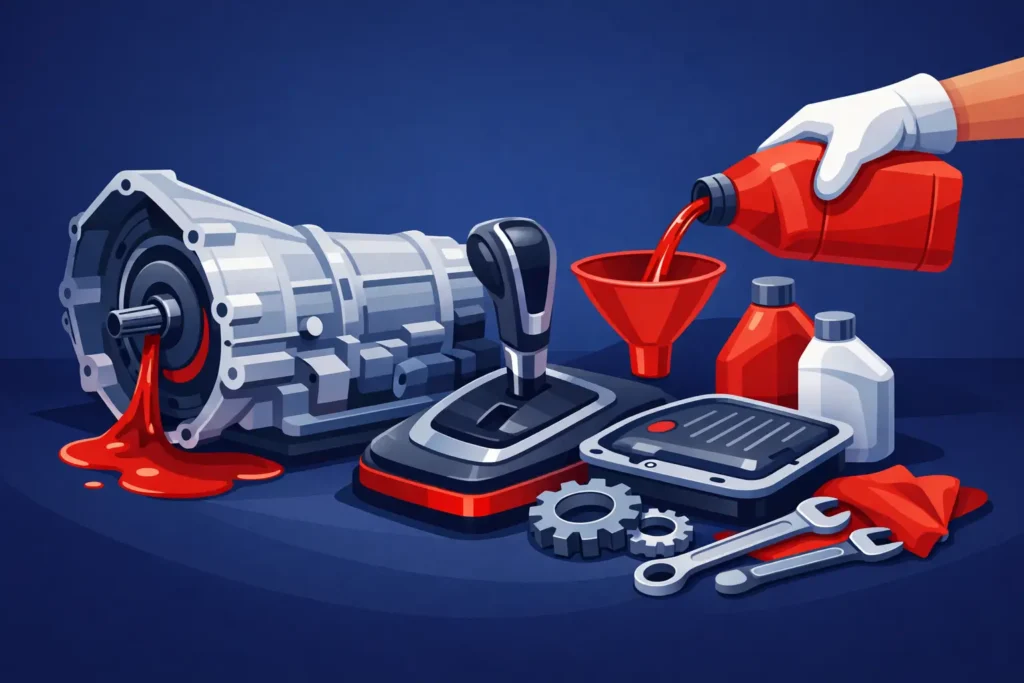
People often use the phrase transmission service as if it means one standard job. In practice, it can mean several different things. The most common service includes draining old transmission fluid, replacing the filter when the design allows for it, cleaning the pan, inspecting for debris, and refilling with the correct manufacturer-specified fluid. In some vehicles, service may also involve adapting fluid levels at a precise temperature range, resetting learned values, or checking operation with a scan tool.
That matters because automatic transmissions are sensitive systems. Fluid is not just a lubricant. It also helps control hydraulic pressure, cooling, clutch engagement, and shift quality. When fluid breaks down, gets contaminated, or drops below the proper level, the transmission can start showing symptoms that feel like mechanical failure even when the original issue is maintenance-related.
This is also where honesty matters. Sometimes a customer comes in expecting a routine service, but the fluid is badly burned, the pan shows excessive clutch material, or the transmission is already slipping. In that case, a service may not fix the problem and could even expose how worn the unit already is. A reputable shop explains that clearly instead of selling false hope.
Automatic transmission service guide: when to service it
The best time to service an automatic transmission is before it starts acting up. That sounds obvious, but many owners wait until they feel a noticeable problem. By then, the fluid may already be degraded and internal wear may already be advanced.
Service intervals depend on the vehicle and how it is driven. Some manufacturers suggest longer intervals, while real-world driving in Florida heat, stop-and-go traffic, spirited driving, towing, or heavy city use often calls for more frequent attention. A performance-oriented vehicle or a luxury import can be especially sensitive to fluid condition. Even if a factory schedule seems generous, actual operating conditions may justify earlier service.
Mileage alone should not be the only factor. Time matters too. A low-mileage car that sits for long periods can still have aging fluid and seals. That is especially true for classic vehicles or weekend cars. If you own a specialty vehicle, transmission service should be based on both age and use, not just the odometer.
A practical rule is to treat fluid condition, shifting behavior, and vehicle history as a package. If the maintenance record is unknown, a professional inspection is the safest place to start. The right answer is not always a quick flush or an immediate fluid exchange. It depends on what the transmission is doing now.
Signs your transmission needs attention
Some warning signs are obvious, and some are easy to ignore until they become expensive. Delayed shifting, hard shifting, slipping between gears, shuddering under light acceleration, gear hunting, fluid leaks, and a transmission warning light all deserve prompt attention. A whining noise or sudden change in drivability can also point to pressure or internal wear issues.
Color and smell matter as well. Healthy transmission fluid is usually bright and relatively clean. Burned-smelling, dark, or contaminated fluid tells a different story. That does not automatically mean the transmission has failed, but it does mean the system needs evaluation.
It is also worth saying this plainly: not every shift complaint is caused by the transmission itself. Modern vehicles rely on sensors, control modules, valve bodies, cooling systems, and software strategies that affect shift quality. Misdiagnosis is common when a shop treats every drivability issue like a mechanical transmission failure. Proper diagnostics save money because they separate a fluid service, an electrical issue, and a true internal problem.
Fluid change, flush, or repair?
This is where many owners get mixed messages. One shop says flush it. Another says never touch it. The truth is more nuanced.
A standard fluid and filter service is often the right choice when the transmission is operating normally and maintenance is being done on schedule. It refreshes the fluid, allows inspection of the pan, and helps preserve normal operation. For many vehicles, that is the best preventive approach.
A fluid exchange or flush can be appropriate in some cases, but it is not a universal answer. If a transmission already has severe slipping, heavily burned fluid, or signs of advanced wear, forcing service without proper evaluation can lead to disappointment. The service did not cause the wear, but it may reveal how close the unit already was to failure.
Repair becomes the conversation when symptoms point to solenoid issues, valve body faults, leaks, cooling problems, or internal clutch damage. Replacement or rebuild enters the picture when wear is too extensive for an external repair to make sense. The right shop will explain the trade-offs clearly – especially on European, exotic, and older vehicles where parts cost, programming, and rebuild quality all matter.
Why the right fluid and process matter
Automatic transmissions are not forgiving about fluid specifications. Using the wrong fluid can create harsh shifts, converter shudder, poor lubrication, and accelerated wear. This is especially true on European models and performance vehicles that were engineered around very specific fluid chemistry and service procedures.
The fill process matters just as much. Some transmissions require fluid level checks at a measured operating temperature. Others need scan tool monitoring during the procedure. On certain vehicles, a simple overfill or underfill can cause major driveability complaints. That is one reason transmission service is not an area where guesswork pays off.
Craftsmanship shows in the details. Clean service practices, accurate diagnosis, proper fluid selection, and a careful road test before and after the work all help protect the transmission and give the owner a clear picture of its condition.
Choosing a shop for transmission service
If your vehicle is showing symptoms, you do not need a sales pitch. You need an experienced technician who can tell the difference between maintenance, repair, and replacement. That means asking good questions, inspecting the fluid honestly, scanning the system, and explaining what the findings actually mean.
For drivers in Saint Cloud and the Central Florida area, that is especially important if the vehicle is European, exotic, or classic. These platforms often need more than a generic service menu and a one-size-fits-all recommendation. At MotorSport Prime, transmission work is treated like the specialty it is, with the kind of careful attention that comes from decades of hands-on experience.
A trustworthy shop should also be upfront about uncertainty. Sometimes the transmission needs diagnosis before anyone can responsibly quote the next step. Sometimes a service is worthwhile. Sometimes it is better to prepare for repair or replacement. Straight answers are part of good service.
Automatic transmission service guide for long-term reliability
If your goal is to keep the vehicle reliable, smooth, and worth owning for the long haul, transmission service should be part of a larger maintenance mindset. Address small leaks early. Do not ignore new shift behavior. Keep the cooling system in good condition, because heat is hard on transmission fluid and internal components. Most of all, do not wait for complete failure before asking questions.
A well-maintained automatic transmission can deliver years of dependable performance. A neglected one can go from minor symptoms to major damage faster than most owners expect. The difference often comes down to timing, diagnosis, and choosing a shop that respects both the vehicle and the person paying to keep it on the road.
If your transmission has started to feel different, trust that instinct. Catching the problem early is rarely wasted money, and good advice at the right time can save you from a much bigger repair later.