
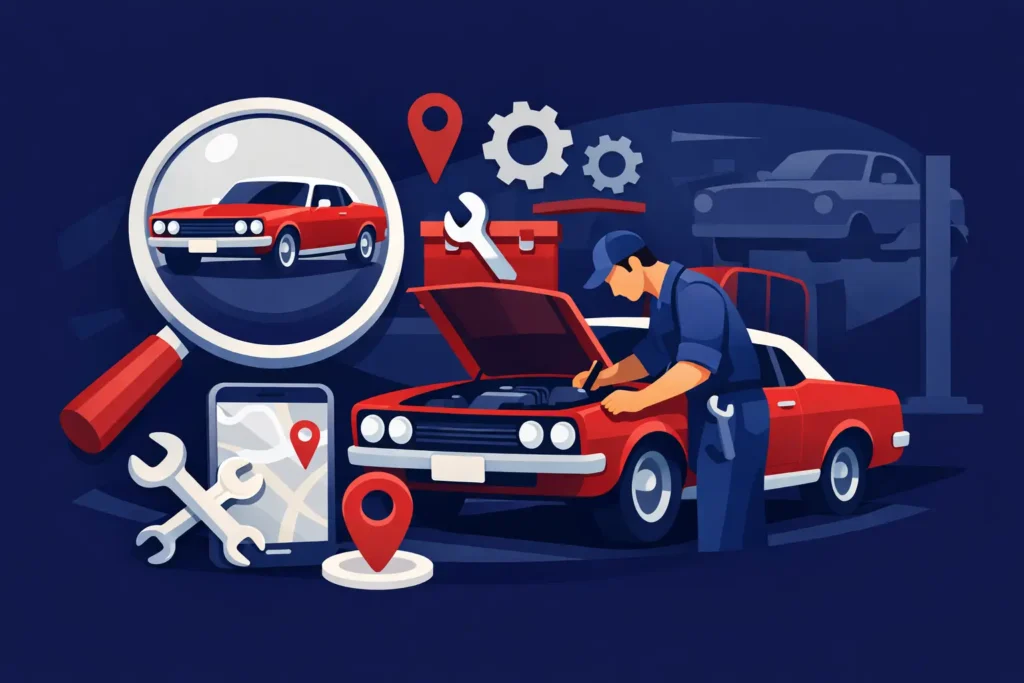
A classic car can look perfect in the garage and still hide problems that only show up when someone experienced puts eyes and hands on it. That is why searching for a classic car mechanic near me should never come down to who is closest or cheapest. With older vehicles, the wrong repair can create weeks of frustration, harder-to-find parts issues, and damage that costs far more to correct later.
Classic cars ask for a different kind of shop. They need technicians who understand older systems, know how to diagnose without guessing, and respect the fact that originality, drivability, and long-term value all matter at the same time. If you own a vintage European coupe, a weekend muscle car, or a family classic you want to keep on the road, choosing the right mechanic is one of the most important decisions you can make.
What makes a classic car mechanic different
A general repair shop may be excellent with late-model daily drivers and still not be the right fit for a classic. Older vehicles often have carbureted fuel systems, aging vacuum lines, mechanical linkages, analog gauges, unique electrical quirks, and parts that are no longer sitting on a shelf nearby. Even when the repair sounds simple, the process usually is not.
A true classic car mechanic understands how these cars were built and how age changes the way they behave. Rubber hardens. Wiring gets brittle. Transmission seals dry out. Cooling systems collect years of small compromises that become one major overheating issue in traffic. Good diagnosis matters more than fast diagnosis.
That is especially true when a vehicle has been repaired by several shops over the years. Many classics carry a history of mixed parts, improvised fixes, and undocumented upgrades. A skilled technician knows how to sort out what is original, what has been modified, and what needs attention first.
Searching for a classic car mechanic near me the right way
The best local shop is not always the one with the loudest advertising. Start by looking for signs of specialization. If a shop regularly works on European, exotic, performance, or vintage vehicles, that is usually a better indicator than broad claims about servicing everything.
Experience matters, but it should be the right kind of experience. A shop with decades in the trade and a strong reputation for diagnostics, drivability, and transmission work brings real value to classic owners. Older cars rarely need one isolated fix. They need a mechanic who can evaluate the whole vehicle honestly and tell you what is urgent, what can wait, and what is worth doing while the car is already apart.
Local owners should also pay attention to how a shop communicates. You want clear explanations, realistic timelines, and straightforward pricing. Classic car repair often comes with variables, especially when parts availability is limited, but that is different from vague answers or surprise charges.
Signs you found the right shop
A good classic shop usually reveals itself in conversation before the repair begins. The right mechanic asks thoughtful questions about symptoms, storage habits, previous work, and how you actually drive the car. That shows a diagnostic mindset, not a parts-swapping mindset.
You should also expect honesty about trade-offs. On a classic, there is often more than one correct path. One owner wants strict originality. Another wants improved reliability and better road manners. A trustworthy shop will explain those options without pushing you toward the most expensive route by default.
Look for practical strengths such as electrical diagnosis, cooling system service, fuel system repair, brake work, suspension work, and transmission expertise. Transmission knowledge is especially important because many drivability complaints are not as simple as they seem. Delayed shifting, slipping, leaks, harsh engagement, or poor acceleration can come from fluid condition, internal wear, linkage issues, vacuum problems, or a combination of factors. Shops that truly understand transmission systems can save owners from unnecessary replacement decisions.
Questions worth asking before you schedule
Before handing over keys, ask what kinds of classic cars the shop sees most often and whether they are comfortable working with your vehicle’s systems. Ask how they approach diagnostics, how they handle hard-to-source parts, and whether they contact you before additional work is performed.
It also helps to ask how they document findings. Photos, written inspection notes, and a clear estimate build trust. On specialty vehicles, transparency is not a luxury. It is part of protecting the owner and the car.
If your vehicle has a transmission concern, ask whether the shop performs fluid service, diagnostics, repairs, rebuilds, and replacement work in-house or through outside vendors. That distinction matters. A shop with genuine transmission capability can usually provide more accurate answers and better quality control.
Why cheap classic car repair often gets expensive
Classic owners know the sting of paying twice. A low quote can feel attractive until the repair fails, the root cause gets missed, or a technician damages a hard-to-replace component through inexperience. Older hardware does not forgive rough handling.
This does not mean the highest estimate is always the best. It means value comes from accuracy, workmanship, and judgment. A careful technician who diagnoses correctly the first time can save significant money compared with a shop that starts replacing parts to see what happens.
The same logic applies to maintenance. Fluid service, cooling system checks, belt and hose inspection, brake evaluation, and transmission assessment may seem routine, but on a classic they are part of preservation. Small preventive work is often what keeps a beloved car from becoming a stalled project.
Classic cars and modern expectations
One challenge many owners face is expecting a classic to behave like a new car. Some quirks are normal. Warm starts may take a little technique. Cabin temperatures may not feel like a modern luxury sedan. Brake feel, steering response, and idle quality can vary by design.
That said, too many owners are told that obvious problems are just part of owning an old car. That is not always true. Excessive heat, fuel smells, repeated stalling, hard shifting, persistent leaks, and weak air conditioning may be common on neglected classics, but they should still be diagnosed properly. A knowledgeable shop knows the difference between normal character and an actual repair issue.
Choosing a local shop you can stay with
The best outcome is not just finding a mechanic for one repair. It is building a long-term relationship with a shop that understands your vehicle over time. That matters because classics benefit from consistency. A technician who has seen your car before can track changes, spot recurring concerns, and recommend maintenance based on how the vehicle is used.
For owners in Central Florida, climate adds another layer. Heat, humidity, stop-and-go traffic, and long storage periods can all affect seals, fluids, rubber components, air conditioning performance, and cooling efficiency. A local specialist who understands those conditions can help you stay ahead of common problems instead of reacting after a breakdown.
That is where a shop with broad mechanical skill and specialty experience stands apart. MotorSport Prime, for example, brings the kind of hands-on diagnostic and transmission knowledge that classic owners value when they want careful work, fair communication, and respect for the vehicle.
When to schedule service instead of waiting
If your classic has developed a new noise, shift change, leak, overheating issue, vibration, or electrical oddity, it is worth getting it checked before a small problem becomes a large one. The same goes for vehicles that have been sitting. Bringing a stored classic back into regular use should start with inspection, not hope.
Older cars usually give warnings before they fail completely. The trick is having someone knowledgeable enough to recognize what those warnings mean. A good shop does not just keep your car running today. It helps protect the time, money, and pride you have invested in it.
When you search for a classic car mechanic near me, look for the shop that treats your car like it matters, because it does. The right mechanic will not rush the diagnosis, oversell the repair, or brush off your concerns. They will help you enjoy the car with more confidence every time you turn the key.