
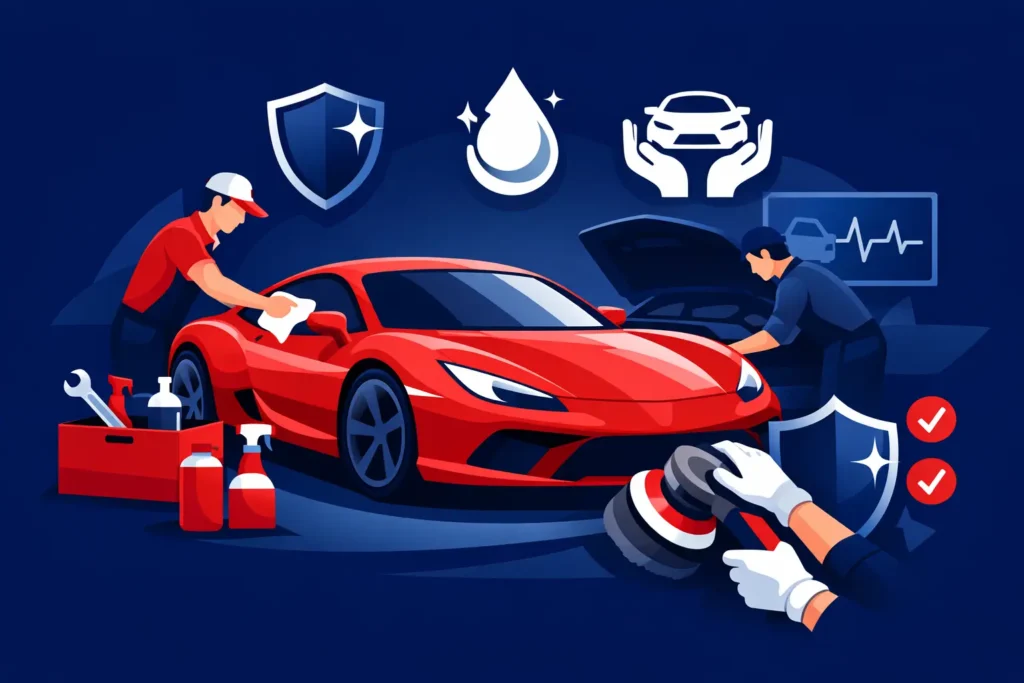
You feel it before a warning light ever comes on. The shift is a little less crisp. Idle feels slightly off. The A/C is not as cold as it should be in a Florida summer. That is usually how exotic car maintenance service begins – not with a breakdown, but with a small change that an experienced technician knows not to ignore.
Exotic vehicles do not respond well to generic care. They are engineered with tighter tolerances, specialized materials, advanced electronics, and performance systems that depend on precision. A quick oil change mindset may be enough for an ordinary commuter, but it is not enough for a European performance car, a low-production exotic, or a classic with specialized needs. Proper service is about protecting drivability, preserving value, and catching expensive issues while they are still manageable.
What exotic car maintenance service really includes
A real exotic car maintenance service is not just a checklist and a fluid top-off. It starts with understanding the vehicle platform, how it is driven, and what tends to fail with age, heat, mileage, or storage. One exotic may need close attention to cooling system performance, while another may be known for transmission service intervals, suspension wear, battery management issues, or air conditioning performance.
That difference matters. Exotic vehicles often have maintenance schedules that look straightforward on paper, but the right service approach depends on much more than mileage. Time, climate, and usage patterns all play a role. A car that sits for long periods can develop problems that a regularly driven vehicle may avoid, including battery drain, fluid degradation, seal issues, and flat-spotted tires. On the other hand, a vehicle driven hard in Central Florida heat may need more frequent attention to fluids, cooling, and driveline components.
The best service process combines scheduled maintenance with careful inspection. That means looking beyond the obvious and checking for early signs of leaks, wear, heat stress, coding faults, drivability changes, and transmission behavior that may point to a deeper issue.
Why exotic cars need a specialist, not a general shop
The biggest mistake owners make is assuming all maintenance is basically the same. It is not. A general repair shop may be perfectly capable with everyday vehicles, but exotic cars demand a different level of familiarity, equipment, and judgment.
Diagnostics are a good example. Modern exotic and European platforms rely heavily on complex control modules, software logic, and model-specific procedures. A generic scan tool may pull a code, but it will not always tell the full story. The real value comes from knowing what caused the fault, what supporting data to review, and whether the issue is electrical, hydraulic, mechanical, or simply a symptom of another failure upstream.
Transmission service is another area where experience matters. Performance transmissions are sensitive to fluid quality, fill procedures, temperature ranges, adaptation values, and internal wear patterns. Skipping steps, using the wrong fluid, or delaying service can turn a manageable maintenance visit into a major repair. For owners who want to keep their cars responsive and dependable, this is not an area to hand over to guesswork.
A specialist also understands the trade-offs. Not every recommendation needs to be urgent, and not every seep or minor fault means immediate replacement. Honest service means separating what should be done now from what should be monitored. That kind of transparency is how long-term trust is built.
The systems that deserve the most attention
Fluids are often the first line of defense. Engine oil, transmission fluid, brake fluid, and coolant all have a larger role in an exotic vehicle because the systems they protect operate under more stress. Old fluid does not just lose effectiveness. It can contribute to heat buildup, poor shifting, corrosion, seal wear, and reduced performance.
Cooling systems deserve close attention as well. Many exotic engines generate substantial heat, and Florida weather only adds to the demand. A weak water pump, aging hose, restricted radiator, or failing fan can quickly become a serious problem. Preventive cooling system service is almost always less expensive than dealing with an overheated performance engine.
Suspension and braking also need a trained eye. Performance tires, bushings, dampers, and brake components wear differently depending on how the car is used. Some owners put very few miles on their vehicles, but still see age-related deterioration. Others drive spiritedly and need more frequent inspections to maintain handling, safety, and ride quality.
Then there is the climate-control system. On an exotic vehicle, A/C service is not just about comfort. In many models, system performance can affect cabin electronics, interior preservation, and daily usability. If the car is unpleasant to drive in the heat, it often gets driven less, and long periods of storage can lead to a different set of maintenance issues.
Maintenance protects value as much as performance
Owners often think about service in terms of avoiding repairs, and that is certainly part of it. But with an exotic vehicle, maintenance also protects market value. Service history matters. Documentation matters. The condition of wear items, fluids, transmission operation, and overall drivability matter.
A well-maintained exotic stands apart because it feels right. It starts cleanly, shifts properly, runs at the right temperature, and does not carry a long list of deferred issues. Buyers notice that. So do appraisers and enthusiasts. Even if you plan to keep the car for years, the habits that preserve value are the same habits that make ownership more enjoyable.
This is especially true with vehicles that are no longer in regular production or have a strong collector following. Deferred maintenance has a way of becoming expensive all at once. Staying ahead of small issues is usually the more practical path.
The cost question – and where owners get it wrong
Exotic car maintenance service is not cheap, but there is a difference between paying for expertise and paying for the consequences of neglected service. The lowest upfront price is rarely the best value when the vehicle is specialized, parts are expensive, and mistakes have a high cost.
That said, higher cost does not automatically mean better service. Owners should expect clear recommendations, honest inspection results, and a straightforward explanation of what is necessary now versus later. Good shops do not hide behind jargon. They explain the reason for the work and the likely outcome of delaying it.
There is also an it depends factor with maintenance timing. Factory intervals are useful, but real-world service schedules should reflect how the car is actually used. A vehicle that sees short trips, long storage periods, aggressive driving, or extreme heat may need more frequent attention than the manual suggests. A knowledgeable technician will adjust the conversation accordingly instead of treating every car the same.
What to look for in an exotic car maintenance provider
Experience matters, but relevant experience matters more. You want a shop that understands European and exotic platforms, has the right diagnostic capability, and can handle both routine maintenance and deeper mechanical issues if something is found during inspection.
You also want consistency. A good maintenance relationship is not transactional. It is ongoing. The shop should know your vehicle history, understand your priorities, and help you plan service in a way that makes sense for your driving habits and budget.
That is where craftsmanship and honesty make a real difference. At MotorSport Prime, that kind of service relationship is built around practical expertise, clear communication, and decades of hands-on work with specialty vehicles. For exotic owners in the Saint Cloud area, that matters because trust is earned through results, not sales talk.
The right time to schedule service
If your exotic is due by mileage or time, schedule it. If you have noticed a change in shifting, cooling, starting, braking, ride quality, or A/C performance, schedule it sooner. Waiting for a major symptom usually limits your options and raises the cost.
The best maintenance visits are often the quiet ones – no drama, no tow truck, no surprise failure. Just an accurate inspection, proper fluid service, careful diagnostics, and work done to a high standard. That is what keeps an exotic car rewarding to own.
A great car asks for more than basic upkeep, and that is not a burden when the work is done by people who respect what the vehicle is. The right service protects the machine, your investment, and your confidence every time you turn the key.